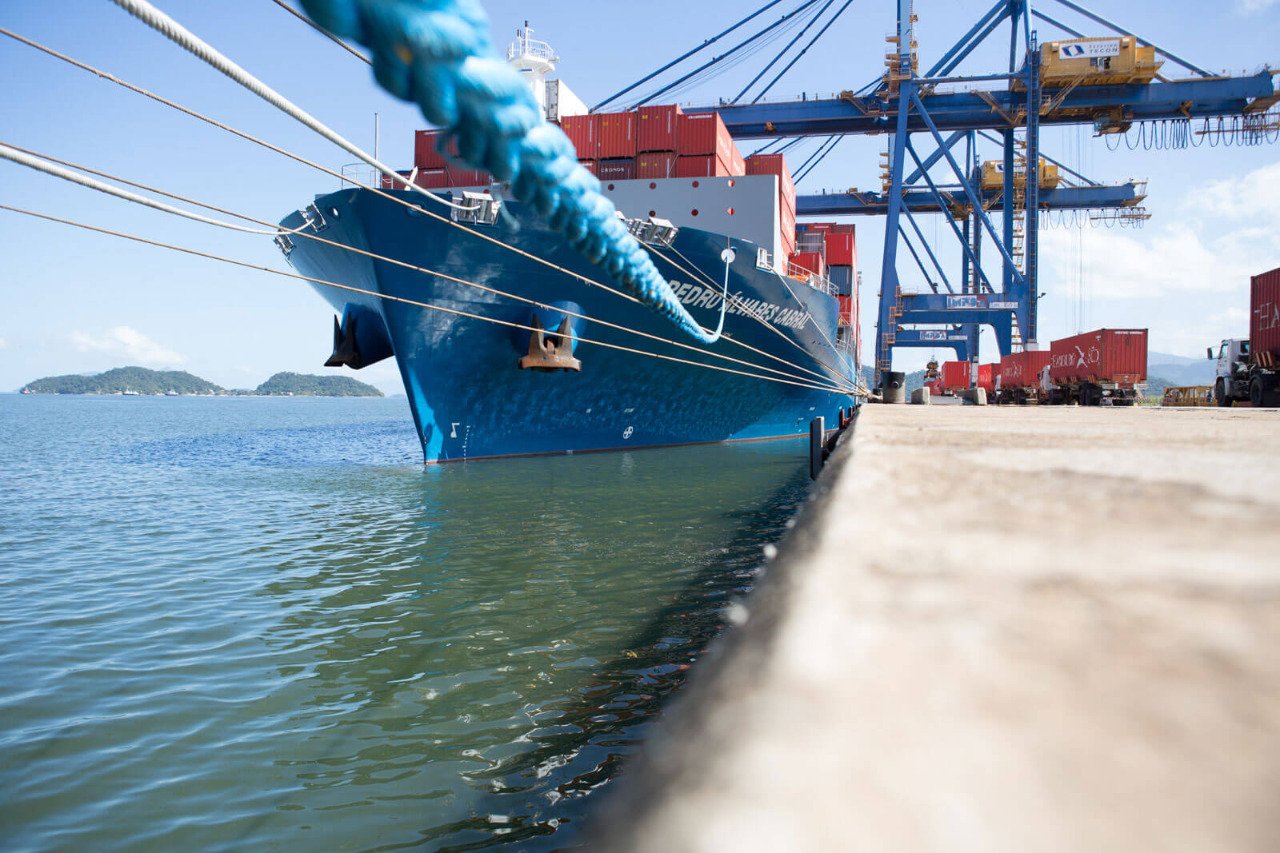
What is Port Agency?
Port agency is a key service in maritime transportation, acting as the local representative of a vessel during its call at a port. A port agent ensures that all operational, legal, and administrative requirements are handled efficiently, allowing the vessel to complete its port stay smoothly and without delays.
In international shipping, where each country and port operates under different regulations, port agency plays a critical role in bridging the gap between shipowners, captains, and local authorities.
Why is Port Agency Important?
Port operations involve multiple stakeholders, strict regulations, and time-sensitive processes. Without proper coordination, delays and additional costs are almost inevitable.
A professional port agent:
∙ Ensures fast and smooth port entry and departure
∙ Handles all local formalities and documentatio
∙ Minimizes operational delays
∙ Provides real-time coordination with all involved parties
With strong local knowledge and established relationships, port agents significantly improve operational efficiency and reliability.
What Does a Port Agent Do?
A port agent is responsible for managing and coordinating all activities related to a vessel’s port call.
Core responsibilities include:
∙ Pre-Arrival Planning
Arranging all necessary permits, berth planning, and documentation before the vessel arrives.
∙ Port & Authority Coordination
Liaising with port authorities, terminals, customs, and other local entities.
∙ Operational Support
Coordinating loading/discharging operations, pilotage, towage, and berth arrangements.
∙ Crew & Owner Services
Managing crew changes, medical assistance, visa arrangements, and cash to master.
∙ Documentation & Compliance
Ensuring all procedures comply with local and international regulations.
∙ Departure Management
Finalizing port clearance and ensuring the vessel sails on schedule.
Port Agency in the Logistics Chain
Port agency is a vital link in the maritime logistics chain. It connects ship operations with port infrastructure, cargo handling, and regulatory processes.
Efficient agency services directly impact:
∙ Turnaround time
∙ Operational costs
∙ Cargo flow reliability
A well-managed port call can make a significant difference in overall supply chain performance.
Legal Responsibilities of Port Agents
Port agents operate within a strict legal framework. They ensure that all vessel operations comply with:
∙ Port regulations
∙ Customs procedures
∙ Safety requirements
∙ Environmental standards
Failure to meet these requirements can lead to delays, fines, or operational restrictions, making the role of a competent agent essential.
The Role of Technology in Modern Port Agency
Today, port agency services are increasingly digitalized. Advanced systems allow agents to:
∙ Monitor vessel operations in real time
∙ Handle documentation electronically
∙ Communicate faster with authorities and stakeholders
∙ This digital transformation improves accuracy, speed, and transparency across all operations.
Sustainability in Port Agency
Sustainability has become a key focus in the maritime industry. Port agents support environmentally responsible operations by:
∙ Ensuring compliance with environmental regulations
∙ Coordinating waste management procedures
∙ Supporting fuel-efficient and eco-friendly practices
∙ As regulations become stricter, the role of port agents in sustainability continues to grow.
Conclusion
Port agency is far more than a support service — it is a critical operational function that ensures vessels can operate efficiently, safely, and in full compliance with local regulations.
From pre-arrival planning to final departure, a reliable port agent plays a central role in keeping maritime operations running smoothly.